✦ Veteran-Owned Minority & Woman-Owned Certified Master Inspector IICRC WRT Certified

Emergency property help: (512) 838-4236
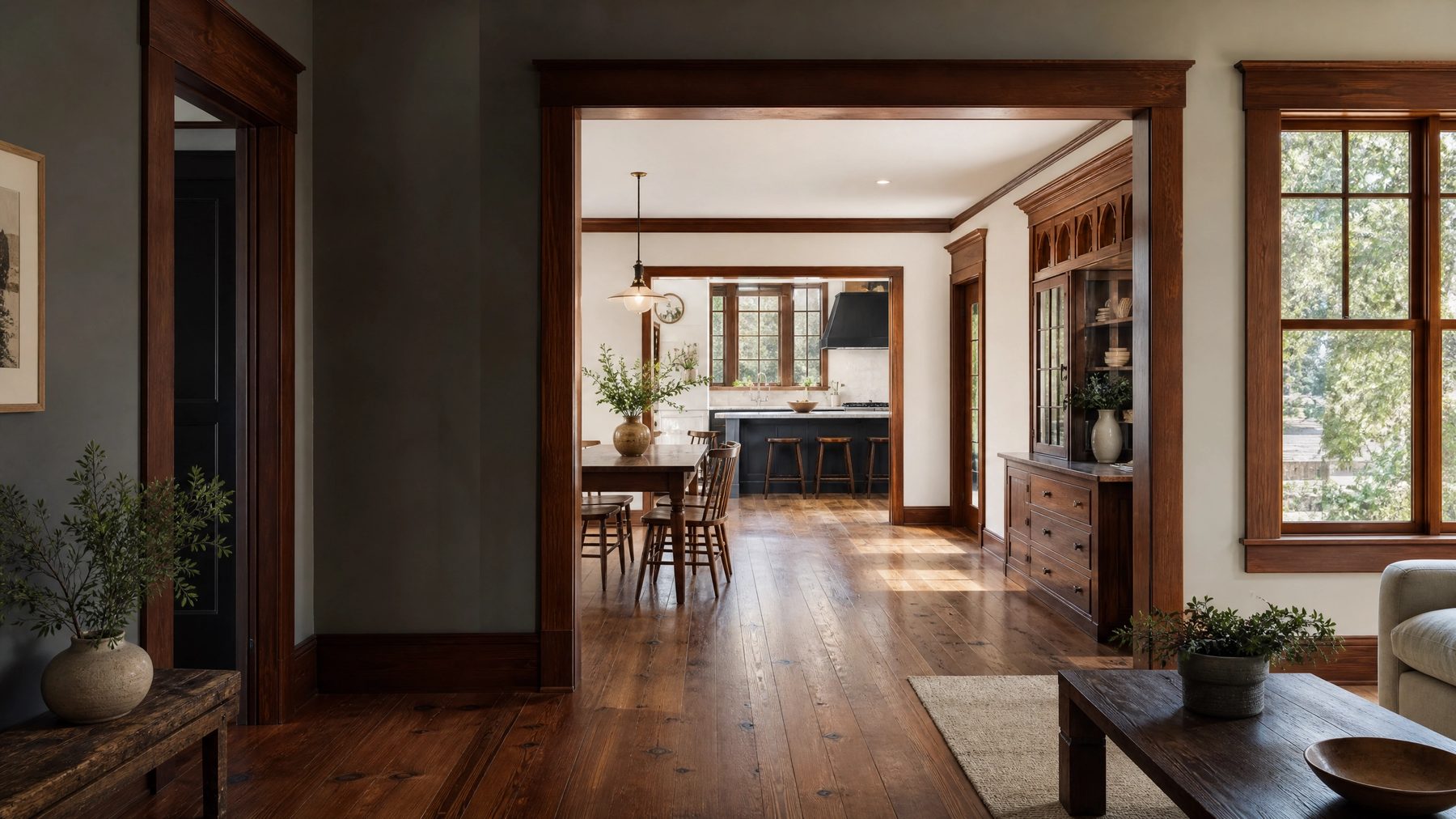
Historic renovation reference with preserved wood floors, windows, and trim

Historic home renovation

Historic home renovation in Austin: preserve the age, improve the living.

Historic and older Austin homes reward restraint. Original windows, millwork, masonry, floor patterns, room proportions, and accumulated patina can carry more value than wholesale replacement. We begin by deciding what the house is asking us to keep. Our Certified Master Inspector-led team grounds every update in careful assessment. We put structural integrity first while honoring the architectural heritage of Austin's most established neighborhoods. Every decision, from materials to mechanical systems, respects the original craftsmanship. It also accounts for the specific demands of Central Texas conditions.

Request a project review

Tell us what you want the home to do better.

Share the property details and the team will review the request.

For urgent damage, call (512) 838-4236 →

Design registerExisting conditionsMaterialsSequenceFinish

01

Investigate before demolition

Older homes can hide layered renovations, improvised utilities, movement, water pathways, and materials that need careful handling. A measured review of existing conditions helps the team choose selective intervention over needless removal. This is similar to our approach to property reconstruction after an event. We evaluate the structure to decide which elements to preserve and which need modernizing. This phase often reveals the history of the house, including past changes and structural details. Those findings shape our design and construction plan. Understanding the building's past helps us plan its future. Our work should suit the original architecture and hold up for years to come.

02

Navigate Austin's historic districts and local review

Historic home renovations in Austin often involve the Historic Landmark Commission (HLC). Your property may be in Aldridge Place, Castle Hill, Harthan Street, Hyde Park, or another local historic district. In these districts, any exterior changes to a contributing property need review and approval. That review comes from the HLC or the Historic Preservation Office.

This applies across the Austin metro area where historic designations exist. We coordinate the architectural design and permitting scope to align with your district's historic design standards. That way, we learn those limits before the budget is set, not after. Working through these rules takes patience, precision, and a solid grasp of local preservation guidelines. It helps the project move smoothly from concept to approval.

03

Manage the Heritage Tree Ordinance on historic lots

Mature trees define the character of Austin's older neighborhoods, but they also complicate the foundation plan. Work near mature trees can require a City tree review. We confirm what applies to your lot during planning. A protected or heritage tree's critical root zone matters here. A permit or variance can be required if home additions or exterior changes affect it.

We check these limits early so the renovation works with the site, not against it. Protecting these trees is more than a regulatory requirement. It is a key part of preserving the neighborhood's natural and visual fabric. Our planning maps out critical root zones and canopy spreads. This helps the renovation fit into the existing landscape.

04

Repair, replicate, or reinterpret

Not every element needs the same response. Some details should be repaired in place. Some should be replicated with compatible profiles. Others should be reinterpreted so new work stays legible without feeling disconnected. When historic fabric is damaged, we match the original proportions and material traits. This keeps the space visually continuous. This approach honors the home's original design intent while adding modern function. The work may involve sourcing reclaimed materials, commissioning custom millwork, or using traditional building techniques. Our goal is a balanced blend of old and new that respects the property's unique character.

05

Introduce modern performance carefully

Comfort, ventilation, lighting, electrical capacity, and water management can all improve substantially. None of this requires stripping away the home's scale and character. Updating older Austin homes often means upgrading knob-and-tube wiring or replacing galvanized plumbing. It can also mean adding climate control to uninsulated spaces. When these updates extend to a whole-home remodel, the work depends on sequencing and respect for original fabric. That way, new systems fit in discreetly. We focus on energy efficiency and indoor air quality. We use building science principles to improve the home's performance without harming its historic integrity. This helps the home meet modern living standards while keeping its timeless appeal.

06

Lead-safe caution and material handling

Homes built before 1978 often contain lead-based paint and asbestos in flooring or insulation. We assume older finishes need careful handling. We do not make blanket certification claims. Still, we approach demolition with contained workspaces, appropriate dust management, and disciplined disposal practices. This protects the home and its occupants during the renovation. Our focus on safety covers every phase, from first assessment to final cleanup. We use environmental controls and work with specialized abatement professionals when needed. This ensures the renovation process is safe, clean, and fully compliant with current health and safety standards.

07

Reconnect every finish

A successful historic renovation succeeds at the transitions. We plan how new flooring meets retained rooms and how fresh millwork aligns with existing profiles. We also plan how repaired surfaces blend into the whole. This applies whether we are restoring a living space or completing a kitchen remodel. We don't leave these junctions for the final week. We coordinate them during design so the house feels cohesive when finished. This attention to detail lifts a renovation from a simple update to a masterful restoration. We carefully manage how different materials, textures, and architectural styles work together. The result is spaces that feel both authentic and unified.

Project sequence

A documented path from first review to final walkthrough.

01

Fabric and condition survey

We document the existing structure, assess material conditions, and identify original features that warrant preservation. This comprehensive survey forms the foundation of our renovation strategy, guiding every subsequent decision.

02

Preservation priority plan

We work with you to separate necessary repairs from elective improvements, keeping the historic character at the center of the scope. This collaborative approach ensures that the project aligns with your vision and budget while respecting the home's heritage.

03

Compatible material detailing

We select finishes, millwork, and systems that respect the home's era while improving its daily function. Our material selections are guided by a commitment to authenticity, durability, and visual harmony.

04

Permit and review coordination

We manage the required submissions for the Historic Landmark Commission, tree impact reviews, and general building permits. Our proactive approach to regulatory compliance minimizes delays and ensures that the project proceeds smoothly.

05

Craft review at completion

We inspect the transitions between original fabric and new construction to ensure the quality of the integration. This final review confirms that the renovation meets our exacting standards for craftsmanship and historic fidelity.

Certified Master Inspector badge
Certified Master InspectorInterNACHI
Veteran-Owned Business badge
Veteran-Owned
Minority and Woman-Owned business badge
Minority & Woman-Owned
Google reviews graphic
Google ReviewsRead our reviews →

Questions answered

Frequently asked questions

Do I need special permission to remodel my historic Austin home?

Exterior changes to a home in a designated local historic district will likely need a Certificate of Appropriateness. That certificate comes from the Historic Landmark Commission. Interior remodels generally follow standard building permit processes. The exception is a landmarked interior, which is rare. We help identify the review path during the first consultation.

Can we add square footage to a house in a historic district?

Yes, but the addition must comply with the specific design standards for your district. Typically, it should sit at the rear and stay subordinate in scale to the original structure. It should also use compatible materials without falsely mimicking the historic style.

What happens if we find lead paint or asbestos?

It is common in Austin homes built before 1978. We plan for it by using contained work areas, controlled demolition techniques, and proper disposal methods. This lets us manage dust and debris safely without spreading it through the rest of the house.

Can we replace original wood windows with modern energy-efficient ones?

The Historic Landmark Commission generally prefers repairing original wood windows rather than replacing them. If they are beyond repair, replacement windows must usually match the original profile, material, and lite pattern. We can explore options like weatherstripping and interior storm windows to improve efficiency while keeping the original fabric.

How does the Heritage Tree Ordinance affect our remodel?

Work near mature trees can require a City tree review, so we confirm what applies to your lot during planning. Construction, foundation work, or staging within a protected tree's critical root zone can require review by the City Arborist. We factor tree protection into the site plan from the beginning.

Can we update the electrical and plumbing without tearing down the plaster walls?

In many cases, yes. We sequence the mechanical updates carefully. We often route new wiring and plumbing through crawlspaces, attics, or small, targeted openings. Those openings can be patched cleanly. This avoids wholesale demolition of original plaster.

Will a historic renovation take longer than a standard remodel?

Often, yes. The timeline must allow for the Historic Landmark Commission review cycle. It must also allow for careful deconstruction rather than rapid demolition. And it must include lead times for custom-milled trim or specialized materials that match the existing house. We provide a realistic schedule based on these factors.

Austin-area service

See where we remodel.

Project availability depends on location, scope, permitting, and current scheduling.

View service areas

Request a project review

Request a remodeling project review.

Share the property details and the team will review the request.

For urgent damage, call (512) 838-4236 →

Plan the remodel

Start with the house you have and the way you want to live.

Share the rooms, goals, timing, and problems you want the remodel to solve.

Book a design consultation